
Restrictions on personalized license plates
Personalized license plates have been around in New York State for decades. As a Montreal Canadiens fan, I have had a personalized plate (NHL HABS) for more than 25 years. In NY, no person has a right to a particular personalized plate. Personalized plates are issued by DMV in the sole discretion of the commissioner. Plates bearing letters and numbers that represent a word, phrase, expression, or that has a meaning, connotation, or format that the commissioner deems objectionable, shall not be issued.
Such plates shall include, but are not limited to: those that the commissioner determines are obscene, profane, vulgar, repulsive, depraved or lewd. It also includes plates that describe or refer to a sexual or intimate body part, area or bodily functions, or are derogatory, contemptuous, degrading, disrespectful or inflammatory. Plates that describe, advertise, advocate, promote, encourage, glorify or condone violence, crime or unlawful conduct are also included. A few examples are: BUKNAKED, GANGSTER, DRUGSALE, TOILET, and SAFESEX.
Personalized plates that the commissioner may deem to be objectionable shall include plates bearing a combination of letters or numerals that in any language, or by means of a slang term, abbreviation, phonetic spelling, or mirror image, in the judgment of the commissioner, forms a word, phrase or expression that is objectionable.
Although NYS DMV is very cautious with the wording on license plates, other states, such as Maine, aren’t so particular, or at least haven’t been. Maine became the “wild, wild west of vanity license plates” when the state dropped its review process in 2015. “Our anything-goes approach was unusual,” said Secretary of State Shenna Bellows. Removing the obscenities from license plates on Maine’s roads and highways isn’t going to happen overnight, even though a law banning such profanities in a state where such regulation has been unusually lax went into effect in December.
“Rule-making will delay the process of active removal of plates from the road but will help us balance the free speech rights of citizens and the public interest of removing inappropriate license plates,” Bellows said.
While most states have restrictions on license plate messages that are considered objectionable or religiously offensive, there have been lawsuits over the issue in other states. In 2020, a federal judge ruled that California couldn’t enforce a ban on vanity license plates it considers “offensive to good taste and decency.” The California law was overly broad, so states must be careful to target license plates that are profane or obscene or represent hate speech.
In New York, Section 16.5 of Part 16 of the Commissioner’s Rules and Regulations, relative to Special Number Plates, states that the commissioner may determine at any time that a personalized plate is objectionable, regardless of whether the plate is requested, approved but not yet issued, or issued, and shall deny the applicant’s request.
Many drivers enjoy vanity plates, but they must not be offensive. As Maine’s Secretary of State said, “If you can’t say it on the 6 o’clock news, it shouldn’t be on a license plate.”
Columns
My first brush with history
Even though I was always a logophile and I taught English for a year or two, my first love in academe was ...
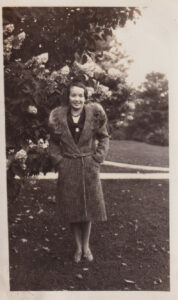
Image of the Week, from Historic Saranac Lake
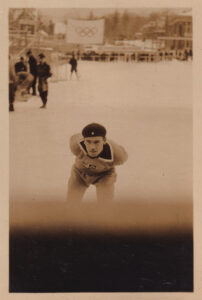
5W Wednesdays, from Historic Saranac Lake
Making sure all bellies are full
I am obsessed with food. I’m not talking about just eating it, though that is a very important element. I make a ...
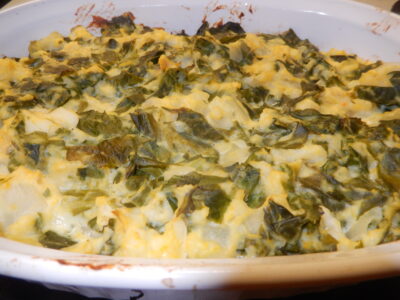
Kugels and Gratins Celebrate Spring Festivals
Vehicle and traffic laws vary from state to state
If you are a regular reader of these weekly articles, you might have picked up on my call for vehicle and traffic ...