No such thing as away
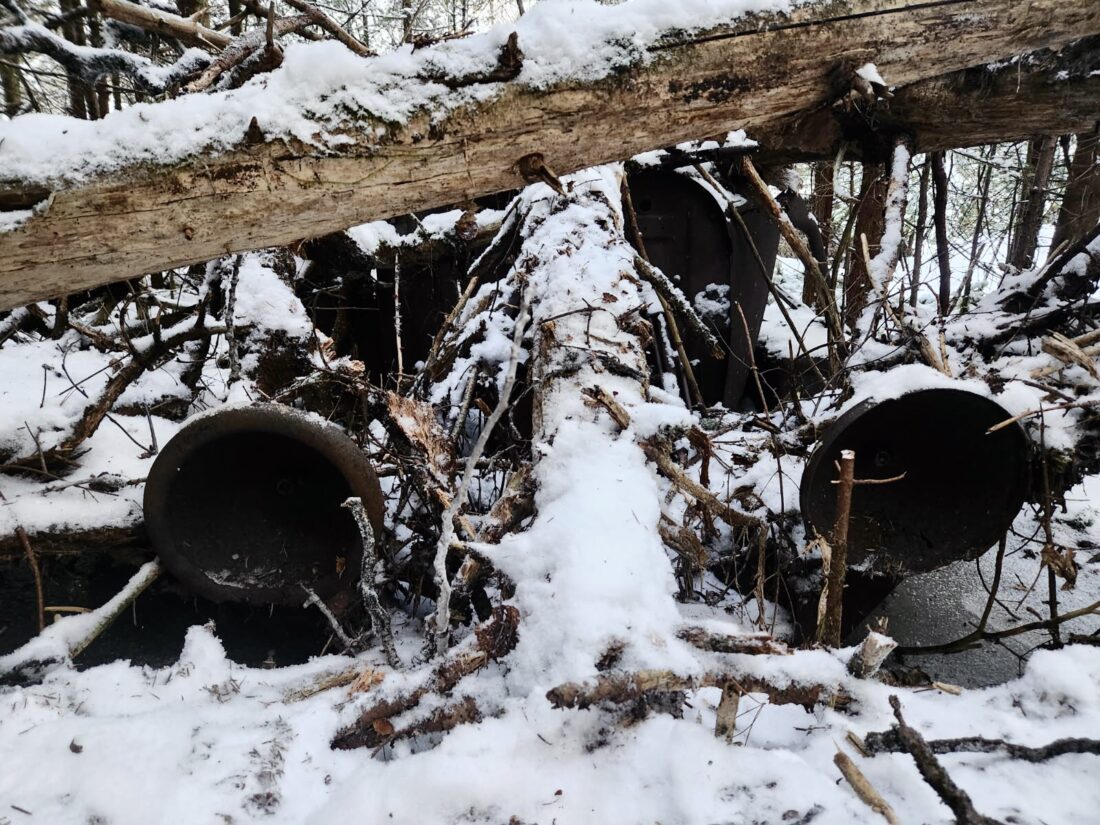
A collapsed Model T Amy Cheney-Seymour’s farm dump. (Provided photo)
This morning I had a romantic date with my husband at the landfill. In Kris’ book, the landfill is a two-fer: a chance to purge and score some good free stuff.
–
Simple times
–
When I was a skinned-kneed sapling, going to the landfill was dinner and a show. My parents parked on the edge and handed out steamy slices of pizza from Dew Drop Inn and cold soda from our cooler. No one counted carbs or discussed refined sugar. We gawked at black bears, furry Vikings ripping and pillaging for dinner. Gulls endlessly squawked and circled, deftly catching pizza crust mid-flight. Real entertainment better than TikTok.
This morning, the landfill was a far cry from the dump I knew. We didn’t throw mixed trash pell-mell from the back of a truck. The place is dialed in. We were weighed going in and again on the way out. Giant machinery pushed refuse into designated cells, and the recycling station seemed to peer down its nose at regular trash. A discerning opportunist, Kris came home with a new shovel and a perfect piece of plywood — but I didn’t see a single bear. Some date.
Back home, I took a walk through our mixed-stand forest, trading the smell of landfill for damp, spring air. Despite some brisk mornings that etch branches in diamonds, you can feel the earth has shifted into the arms of spring. I slopped through moss-lined puddles and shimmied between the pillowed and cradled root systems of fallen trees. One trail we call Narnia; in December, the trees are coated with marzipan snow, narrowing the trail so each corner opens like a mystery. I rounded the last bend to find the 1920 Ford Model T, patiently being reclaimed by the earth.
–
Trash and treasure
–
Our property was the Fred P. Van Cour Dairy Farm. I imagined Fred toddling down the bumpy Old Route 3 toward town in his shiny car. Now two empty, rusted headlight holes stare down a tamarack lying heavily on its roof.
When we moved, I walked the treeline on a collapsed stone wall, surveying the farm equipment graveyard. Stepping down onto several inches of moss, I was surprised to hear and feel the crunch of broken glass — I’d found the old milk bottle dump.
Initially, I vowed to clean the woods; the glass needed to go to the dump! Get it out! I pictured myself painstakingly cleansing the rich soil, inviting 100 friends out to haul the twisted box springs, tools and yards of glass. Then I remembered I didn’t have 100 friends.
Anyone living on old farmland can tell you it labors forth “trash” each spring. Over the years, we pulled out countless nails, broken hand tools, a maul, saws, apothecary bottles, tin cans, metal bottle crates. Three perfect milk bottles containing tiny terrariums of moss and tree lichen jut from the ground in homage. Sadly, arrow heads and mastodon skeletons are not among the treasures (yet).
In the last decade, I dropped my judgment about the former stewards of this land. I understand why farms had their own dump, because there was no landfill, no place deemed appropriate to bury, sort or ship refuse. Their trash was of the earth: glass, metal, cloth, which eventually will break down like the Model T. Our trash is more complicated.
With no lye soap handy, even choosing laundry detergent becomes a negotiation between cleanliness and conservation. I fall into analysis paralysis: biodegradable sheets or liquid detergent? The sheets don’t clean as well, but they don’t jam up the ocean. Liquid detergent is boss on stains, but not without consequence.
The difference is scale. What once stayed behind the barn now circles oceans and outlives us. “Away” just means out of sight, not out of consequence. We support what we consume, and consumption is not limited to a pizza box or lithium battery. Movies, books, food all become internalized and returned to society in some form. What do you hold on to, and what do you throw away?
I am lucky to have a farm dump. I have added old saddles, blankets with holes and a bent, rusty bike frame. Each of us leaves parting gifts. You’ll find mine just the other side of that rock wall.
Columns
No such thing as away
Image of the Week
Walt McLaughlin: Man of many titles
Walt McLaughlin may be the least known prolific and versatile Adirondacks-oriented writer ever. He’s the author ...
5W Wednesdays
Boiling it down