
Wishing you a sweet Epiphany
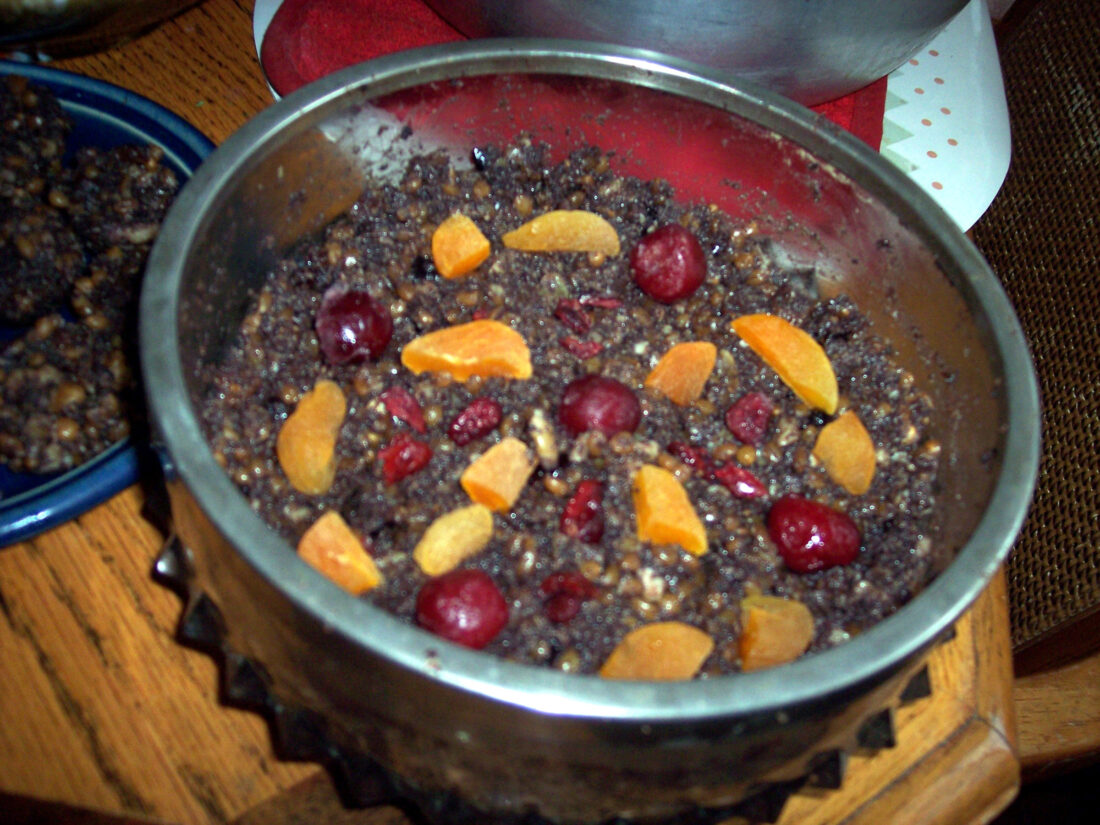
Kutia (Provided photo — Yvona Fast)
Epiphany concludes the Christmas holiday season. Also known as the Twelfth Day of Christmas, this day commemorates the day the Three Kings from the East arrived in Bethlehem, bearing their gifts of gold, frankincense and myrrh.
Most European countries have traditional sweets for Epiphany. Versions of Three Kings Cake are served around the globe, with local variations. Rituals and ingredients vary regionally and locally. This sweet pastry often contains a hidden object, like a coin or a statue of the baby Jesus. In many cultures, whoever finds the feve or coin receives a symbolic honor. The dessert is usually served with wine or coffee.
In Latin America, Christmas celebrations are a blend of Roman Catholic traditions and native culture. The feasting and celebrating last until Tuesday, Jan. 6, Dia de Reyes (Day of the Three Kings), which officially marks the end of the holiday season. In Mexico, tamales and Mexican hot chocolate are served on Three Kings Day. A Spanish and Mexican tradition is Rosca de Reyes or Three Kings’ cake. It is baked in a circular shape to symbolize the sky.
The type of pastry used varies depending on the country. The Mexican version, Rocca de Reyes, is made with a buttery brioche-type dough. In some other countries, King Cake is made with rich, dense pastry-type dough. In other places, it’s a yeast citrus-flavored bread like a coffee cake. In many Latin American countries, Three Kings Bread (Pan de Rosca or Pan de Pascua) is seasoned with cardamom or anise and studded with raisins or candied citrus peel. Rosca de Reyes, a round wreath-shaped or crown-shaped sweet bread, is traditional in Mexico and parts of Texas. But what makes the cake special is the small figurine of baby Jesus that is hidden inside.
Most European countries have traditional sweets for Epiphany. Versions of Three Kings Cake are served around the globe, with local variations. Rituals and ingredients vary regionally and locally. This sweet pastry often contains a hidden object, like a coin or a statue of the baby Jesus. In many cultures, whoever finds the feve or coin receives a symbolic honor. The dessert is usually served with wine or coffee. In many Latin American countries, Three Kings Bread (Pan de Rosca or Pan de Pascua) is seasoned with cardamom or anise and studded with raisins or candied citrus peel. Rosca de Reyes, a round wreath-shaped or crown-shaped sweet bread, is traditional in Mexico and parts of Texas. But what makes the cake special is the small figurine of baby Jesus that is hidden inside.
In Spain, Twelfth Night vspera de Reyes, or Kings’ Eve, is celebrated with sweet treats. In France, La Galette des Rois (“Kings’ Cake”) is customary; this dessert has regional variations. In Italy, a special sweet focaccia, with fruit, candies and a hidden figurine of Jesus, takes center stage. In northern Italy, befanini, Tuscan sugar cookies with festive sprinkles, are common. These are named for the legend of Befania, an old woman who flies on a broomstick on the night of Monday, Jan. 5 to deliver gifts, sweets or coal to children. In Greece, Vasilopita is a sweet yeast cake that contains a hidden coin. Dreikonigskuchen, the Swiss version of Three Kings Cake, is an airy yeast dough studded with raisins and topped with a paper crown. An almond is hidden inside, and whoever gets it is the King for that day.
In New Orleans, the Creole/Cajun version of Three Kings Cake is made from a braided or ringed brioche dough. The sweet, dense crumb dough is filled with almond or cream cheese. A purple, green and gold icing is the trademark of this New Orleans-style cake. The colors represent justice (purple), faith (green) and power (gold). This cake is often served at Mardi Gras.
Numerous recipes for the various ethnic versions of King Cake can be found online. A few baking tips: make sure the butter and eggs are at room temperature; this will ensure a smooth dough. For best texture and flavor, a long, slow first rise is recommended for the yeast doughs; you can do this by rising it in the refrigerator overnight. Wait until the cake is cool before decorating. It’s best to wrap the figurine or coin in foil before hiding it in the dough.
In Latin America, savory foods served at Epiphany often include roast pork with rice and pigeon peas. Cheese-filled pastries are popular in Puerto Rico. In Eastern Europe, light, brothy ceremonial soups like beet consomme (borscht) or a light fish soup are common, along with kutia, a ceremonial sweet grain dish made with wheat berries, sweetened with honey and studded with dried fruits and nuts.
–
Kutia
–
Ingredients:
–
1 1/2 cup wheat berries
1/2 cup poppy seeds
1/2 cup honey
raisins
walnuts
dried cranberries
candied orange peels
other dried fruit and nuts
apples, optional
–
Directions:
–
Soak the wheat berries in warm water with 1 tablespoon fresh lemon juice for 12 to 24 hours. Drain.
Place grains in a large pot. Add four cups of water and a pinch of salt. Bring to a boil, lower the heat and simmer for three hours. The grains should be soft but not mushy.
Scald the poppy seeds with boiling water. Drain. Repeat.
Place in a pot with fresh water and cook on a simmer for three to four hours or until you can squish them in your fingers and they no longer feel hard and grainy. You may want to do this in a crockpot. Drain and set aside.
Soak the dried fruit in water, apple cider, brandy or wine to plump up a little.
Strain the cooked wheat, mix in honey, cooked poppy seeds and remaining ingredients and leave to cool.
Note: You can do this in stages. Add toasted nuts and soaked dried fruit and apples on the day you’re ready to serve it. Dip apple pieces in fresh lemon juice before adding to the kutia; this prevents browning through oxidation.
–
Adirondack King Cake
–
Traditional King Cake is spice or citrus-flavored; this is a maple-flavored version.
–
Ingredients:
–
1 cup maple syrup
2 tablespoons yeast
6 eggs
1/2 cup sugar
4 cups flour
1/2 to 1 cup each raisins, craisins; Can also use chopped walnuts or pecans
2 sticks (1/2 pound) butter
–
Directions:
–
Dissolve yeast in maple syrup. Set aside.
Combine flour with raisins, craisins and walnuts if using.
Stir maple syrup and yeast into the flour mixture.
Beat eggs with sugar. Stir into the dough.
Melt butter, add slowly while beating. (electric mixer). Beat 5 to 10 minutes.
Place mixture in a ring-shaped cake pan (or other cake pan, but King Cake is traditionally a ring). Hide a figure of baby Jesus at one end.
Preheat oven to 350 degrees F.
Allow the cake to rise until about double in size.
Bake in a preheated oven for about 45 minutes, or until golden brown.
— — —
Author of the award-winning cookbook Garden Gourmet: Fresh & Fabulous Meals from your Garden, CSA or Farmers’ Market, Yvona Fast lives in Lake Clear and has two passions: writing and cooking. She can be found at www.yvonafast.com and reached at yvonawrite@yahoo.com or on Twitter: @yvonawrites
Columns
Whining and screaming
Parents are often screaming for solutions that will help them handle their toddler going through the stage we call ...

Breaking news in brief
An occasion of note
Last week at Nori’s, after a hard day of hanging out, swilling coffee and swapping lies, I went out to my car and ...
The cat’s meow
Cats are the best. If you don’t have a cat, you should get one. If you can’t get one, you could visit the cat ...
Image of the Week
Correcting history
A new book by Curt Stager and David Fadden, “The First Adirondackers: 12,000 Years of Indigenous Peoples in the ...