
Time for chili
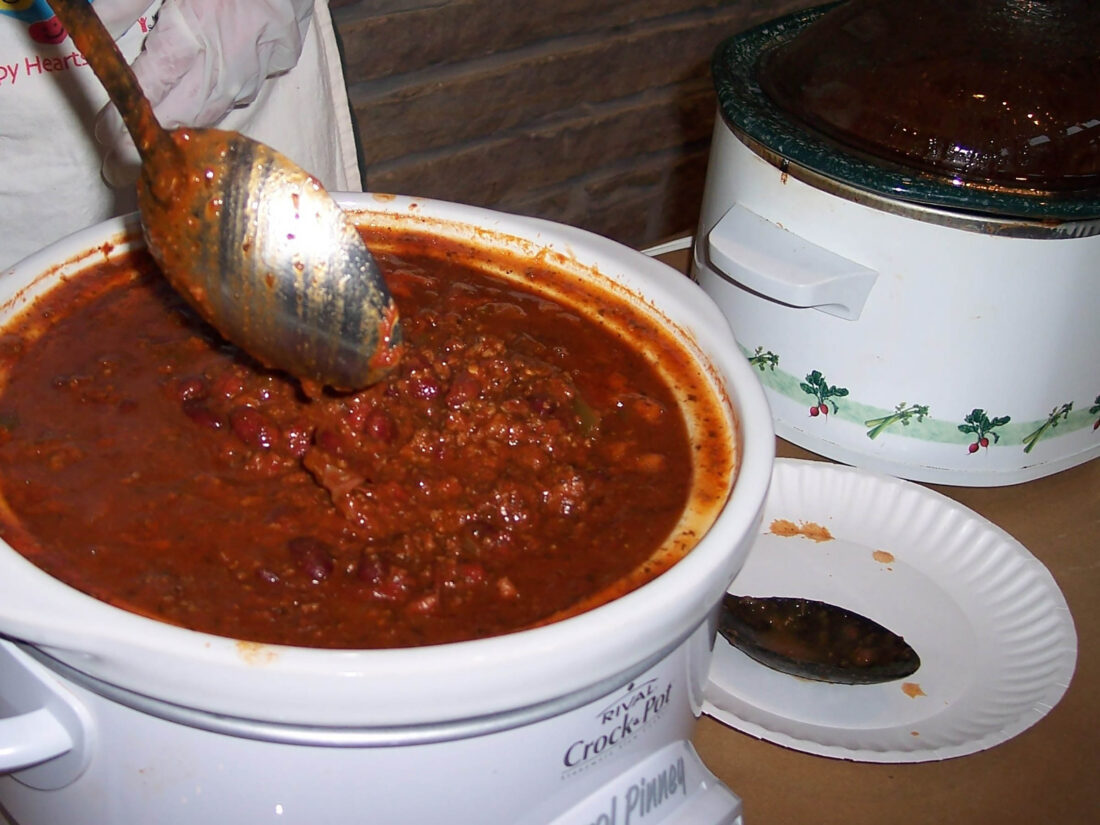
Chili (Provided photo — Yvona Fast)
Brr! It was a cold weekend in the Adirondacks. When the weather chills, we crave wholesome, starchy food. Enter chili, with bold spices and fresh flavor.
Chili is always a crowd pleaser — and everyone has a unique recipe. Vegetarian, vegan, paleo, meat — they’re all different. Even the same person making chili might add slightly different ingredients each time, so no two batches are the same.
What exactly is chili? Chili is a hot, spicy pepper of the genus Capsicum. It is sometimes dried, ground and used as a seasoning. As a dish, chili is a thick, savory stew seasoned with pungent chile peppers. It was popularized by cowboys in the American Southwest. Chili con carne — made with beef and without beans — is the state dish of Texas. This rich, savory, spicy blend of beef, chili peppers and tomatoes or tomato sauce. It is often served with toppings like sour cream or cheese to mellow its heat. Lyndon B. Johnson, 36th President of the United States, is quoted as saying, “Chili concocted outside of Texas is usually a weak, apologetic imitation of the real thing. One of the first things I do when I get home to Texas is to have a bowl of red. There is simply nothing better.”
As chili spread across the U.S., it changed and grew in variety. The only things that remained constant are that it’s a thick, hearty stew, served in a bowl; it’s seasoned with chili peppers and salt; and it contains tomatoes or tomato sauce. Other seasonings often added to chili are onions, garlic and cumin. The composition of the dish has become a subject of regional pride and passionate debate.
Beans are traditionally used in chili in the American South and Midwest. Sometimes corn is added. If it’s too thin, it can be thickened with cornmeal or masa harina. Vegetarian chili, chili sin carne, is made with beans or lentils and vegetables, excluding meat. Chili can also be made with other types of meat, like chicken or turkey.
Many different beans and lentils can be used in chili. All beans are good, inexpensive sources of protein, fiber and complex carbohydrates with little fat. Beans contain the minerals iron, potassium, selenium, molybdenum and the vitamins thiamine, B6 and folic acid. A diet rich in beans can improve glucose control in diabetics, and the antioxidants in beans help fight chronic diseases like cancer and heart disease.
There are numerous types of chili and various ways to prepare it. I’ve had lentil chili, white bean chili, turkey chili, Moroccan chili. Many chilis add other veggies, like sweet potatoes.
The capsicum or chile pepper grows wild in South America and has been cultivated by natives for over 7,000 years. The Aztecs and Mayas prepared a dish of meat, beans, chili peppers and herbs.
Christopher Columbus brought the small red berries back to Spain; later, Spanish and Portuguese traders introduced the chili to the rest of the world. The new pungent pepper, which grows well in most climates, spread quickly around the world, becoming a substantial part of Asian cuisines. The Spaniards discovered that, when dried and crushed, the pods of chile peppers made an excellent, fiery substitute for black pepper. The powder has a long shelf life and is easily transportable. It has continued to proliferate and is a vital ingredient in the fastest-growing food sector in the United States: Mexican food.
The spiciness of peppers depends on variety as well as how and where they’re grown. Soil, weather and other factors make it difficult to produce a standard chili. As the fruit ripens from green to red, a higher sugar content may minimize the sting. Generally, the longer the pepper, the milder it is, but there are differences in flavor even in two peppers from the same plant.
Capsaicin oil, found in the membrane of the pepper, is the phytochemical responsible for the hot taste of chili. An irritating alkaloid, it’s comprised of many different chemicals, each of which affects a different area of the mouth, nose and throat.
Capsicum was used by the Mayans to treat respiratory ailments. The Aztecs used the pepper to relieve toothaches. In modern times, medical research studies have led to many pharmaceutical uses. As a painkiller, it’s used in ointments for external skin irritations, sore muscles and arthritis. When ingested, capsaicin releases endorphins that stimulate a natural feeling of well-being. Both sweet and hot peppers are rich sources of vitamin C and provide vitamin A and calcium, though the vitamins are lost in cooking and processing.
Be careful when handling chili peppers. They can burn and blister the skin, so wear rubber gloves when cooking with fresh chiles and don’t touch your eyes, nose or mouth, since the skin is very sensitive and will burn on contact with the peppers. If you get burned, run it under cold water and treat it as you would any other burn. To cool your mouth after eating hot chiles, eat yogurt, cheese or another dairy product, because the casein helps disrupt the chemical reaction. Lemon or lime juice also soothes the burn by cutting the fiery oil in the peppers.
When made with dry beans that need to be soaked overnight, chili can be an inexpensive dish to serve a crowd. It can be a quick, easy dish when made with canned beans and tomatoes. It can be mild or spicy. The hearty stew is a great warm-up on a cold winter day, and can easily feed a crowd after a snowshoe or ski outing.
What’s your favorite chili?
–
Joy’s Easy Chili
–
Ingredients:
–
1 onion, diced
1 pound ground beef
2 teaspoons chili powder
1 teaspoon cumin
28 ounce can diced tomatoes
2 (15 ounce) cans kidney beans (or 1 each kidney and black beans)
1 ounce semi-sweet baking chocolate, optional
–
Directions:
–
Brown the meat and onion in fat. Add tomatoes and beans and heat thoroughly. Season to taste with chili powder, cumin and chocolate.
If there is more liquid then you like, stir in masa harina or flour. Cook 5-10 minutes more, stirring well to blend in the chocolate and thicken the stew.
Serves four to six.
To use dry beans: Soak beans overnight. You can also bring them to a boil, cook 5 minutes, remove from heat and let sit, covered, for an hour or two. After they have soaked, drain, rinse, refill with water, bring to a boil, lower heat and simmer until tender; the amount of time depends on the type of bean you use. Red kidney beans will take a little over an hour to cook, while black beans or adzuki beans will take half that time.
Proceed with recipe and use in place of the 2 cans of beans.
Options:
¯ Add other vegetables like celery, carrots, bell peppers, hot peppers, garlic, sweet potato
¯ Use different kinds of beans, not just kidney
¯ Add other seasonings, like cumin, coriander, oregano. Use more chili powder if you like it hotter.
–
Vegan Lentil Chili
–
Ingredients:
–
1 tablespoon avocado oil, olive oil, or another oil
2 medium onions, peeled and chopped
3 stalks celery, sliced
2 large green peppers, seeded and diced (or 1 green and one yellow or red)
1 large carrot, sliced
2 (2 or 3 cups) sweet potatoes, diced
3 cloves garlic, peeled and minced
2 teaspoons chili powder, or more to taste
1 cup lentils
1/3 cup barley (omit or use another grain if gluten free), or add a can of cron
1 cup vegetable broth
4 cups diced tomatoes (1 large can)
1 bay leaf
1 teaspoon oregano
–
Directions:
–
Cook onions, celery and peppers in oil until onions are translucent, about 5 minutes. Stir in the carrots, garlic, chili powder, lentils, barley and broth. Cover and simmer five minutes; add the tomatoes with their liquid, bay leaf and basil and continue cooking about 30 minutes, or until lentils and barley are done. Stir occasionally to prevent from sticking, or add more liquid (broth or water).
Serves four.
–
Crock Pot Three Bean Vegan Chili for a Crowd
–
Ingredients:
–
2 large onions, minced
3 or 4 garlic cloves, minced
30 oz canned black beans, rinsed and drained
30 oz canned kidney beans, rinsed and drained
30 oz canned pinto beans, rinsed and drained
30 oz canned diced tomatoes, with chilies
15 oz canned tomato sauce
1 1/4 oz chili seasoning mix, or more if you like it spicier
1 or 2 cans corn, or 14 oz frozen corn kernels, thawed
1 tablespoon fresh lime juice, or to taste
1/2 cup fresh cilantro or parsley, minced, for topping
–
Directions:
–
Place onion, garlic, beans, tomatoes, tomato sauce and seasoning mix in your crock pot or slow cooker. Cover and cook on high heat for 2 to 3 hours, or low heat for 4 to 6 hours. Add corn during last 30 minutes of cooking. Turn off heat. Stir in lime juice and cilantro or parsley just before serving, or have available on the table for diners to add to their bowl.
Serves eight to 10.
Option: for a meat version, in a skillet, brown 1 pound ground beef or pork or a combination, with the onion and garlic. Add to the crockpot with the beans and tomatoes. Or add 1 pound chicken breast, diced and cook with the beans and vegetables.
——
Author of the award-winning cookbook Garden Gourmet: Fresh & Fabulous Meals from your Garden, CSA or Farmers’ Market, Yvona Fast lives in Lake Clear and has two passions: writing and cooking. She can be found at www.yvonafast.com and reached at writeyvona@gmail.com.
Columns
Time for chili
Test your vehicle and traffic law I.Q. — 2026 answers
Last week’s column presented 20 questions on vehicle and traffic law (VTL) and traffic safety. Hopefully you ...
Walking pneumonia/mycoplasma
Parents have been coughing up lots of questions about whether or not their child who has had a cough and fever for ...

The broken femur

Freezing in style
How can we make Saranac Lake more energy resourceful?
As the locals know, the Adirondack Park is the largest publicly protected state park, at six million acres. ...