
A holiday of oil and light
-
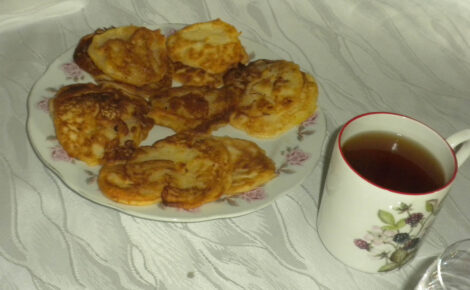
- Potato Latkes (Provided photo — Yvona Fast)
-
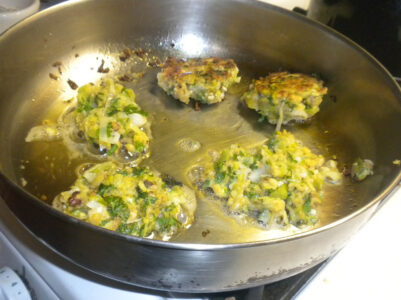
- Keftes de Prasa (Provided photo — Yvona Fast)
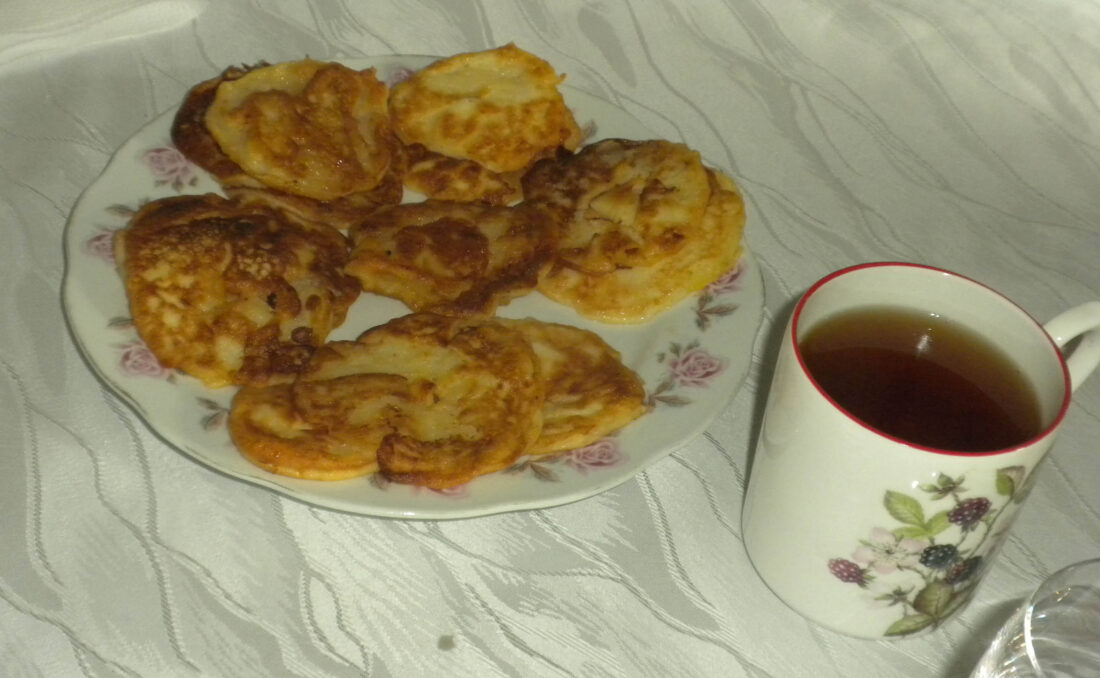
Potato Latkes (Provided photo — Yvona Fast)
Hanukkah is a feast of thanksgiving, expressing gratitude for God’s protection, kindness and blessing. Short, dark December days cause us to welcome this festival of lights, regardless of religious or cultural tradition.
A national rather than a religious holiday, Hanukkah commemorates the victory of Judah Maccabee against the Hellenist Syrians in 165 BCE. The miracle of Hanukkah is the jar of oil, which contained one day’s worth but lasted for eight days, the time needed to rededicate the temple. That is why Hanukkah is celebrated for eight days, with the menorah, an eight-branched candlestick or lamp, and foods cooked in oil — most notably latkes (pancakes), keftes (fritters) and sufganiyot (doughnuts). Fried food is a holiday tradition celebrating the “miracle of the oil.” Other foods that accompany the feast are soup as a first course — such as chicken, cabbage or borscht — gefilte fish, beef brisket or roast chicken, vegetables and a salad of fresh greens or fruit.
According to Rabbi Gil Marks, author of “The World of Jewish Cooking and Olive Trees and Honey,” the tradition of Hanukkah pancakes comes from medieval Italy, where ricotta pancakes were common. When Jews migrated north from Italy, they made buckwheat pancakes and carrot fritters. In the 18th century, potatoes arrived in central and eastern Europe, where most Ashkenazi Jews made their home, and quickly became the most inexpensive food. Soon, pancakes made from raw potatoes, known as latkes, became common Hanukkah fare.
Grated potato dishes are common in Germany, Poland and east into Ukraine, Latvia and Belarus. Swiss rosti are potato pancakes, but without eggs and are often flavored with thyme. Raggmunk is a Swedish pancake made with grated potatoes, milk and a larger proportion of flour than is found in latkes.
Sephardic Jews, those from warmer climates around the Mediterranean, eat fried treats but not usually potatoes. Among their standard Hanukkah fare are bunuelos, sweet or savory fritters and Keftes de Prasa, leek latkes. In Israel, fried jelly doughnuts or soufganiyot are the rage. Greek Jews make fritters called loukamades, Moroccan Jews slip deep-fried Chanukah chicken into their Hanukkah couscous, and Austrians eat deep-fried schnitzel (breaded meat). Romanian potato latkes use a combination of grated potatoes and zucchini. After all, Hanukkah is a celebration of oil, not a celebration of potatoes.
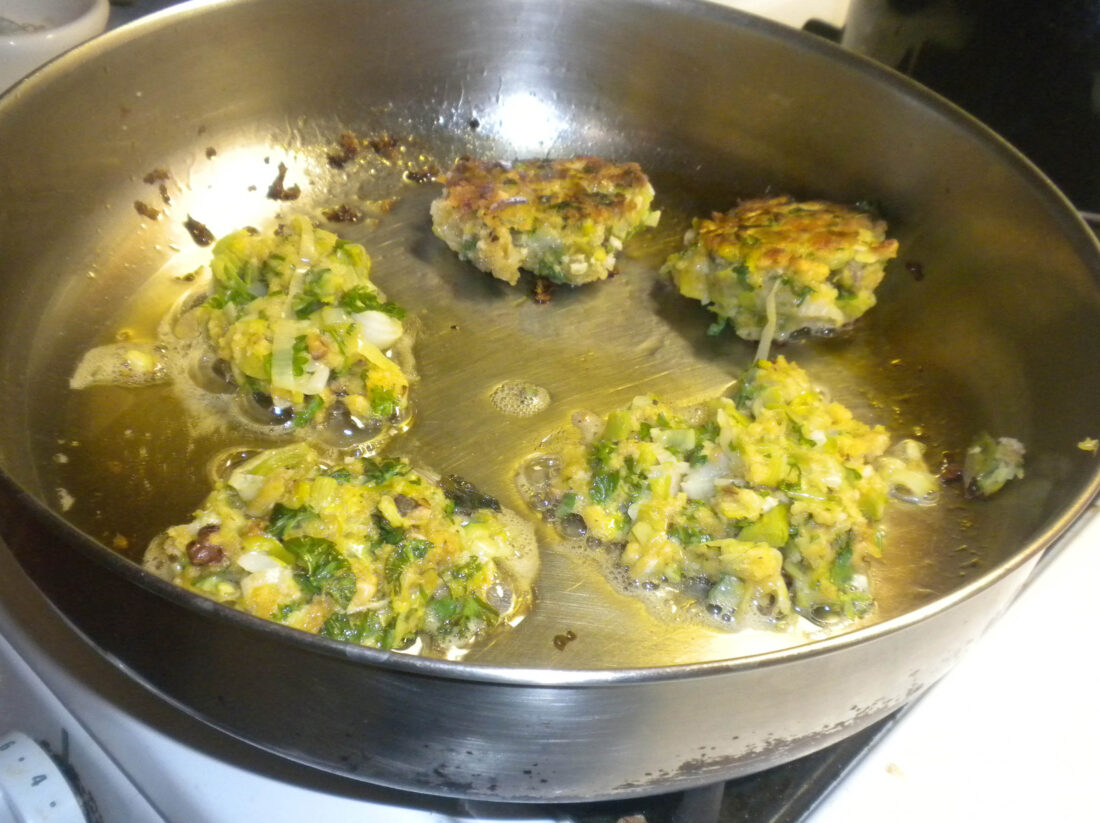
Keftes de Prasa (Provided photo — Yvona Fast)
Traditional latkes are potato pancakes with a minimal amount of matzo meal or flour added. Eggs provide the moisture to hold them together, and onions, salt and pepper enhance the flavor. Latkes are at their best hot and fresh, right out of the pan. They’re light in the middle, not greasy and crispy around the edges. Achieving the correct consistency can be tricky because the amount of matzo meal needed varies with the moisture of the potatoes. Russet or Idaho baking potatoes are best, because they contain less moisture than boiling potatoes.
Potatoes were once grated by hand with a medium-sized grater. Today, the food processor makes the job quick and easy, and the potatoes don’t have time to oxidize and turn an ugly brown. To get a drier product, squeeze the starchy liquid out of the potatoes after grating them. Then add grated onion, season with salt and pepper to your taste, stir in beaten eggs and mix everything with a wooden spoon. The mixture will still be a bit soupy, so add matzo meal or flour a couple tablespoons at a time, until it is thick but not dry — about the consistency of Adirondack mud.
A large fry pan is a must; cast-iron pans are heavy but retain heat and ensure even cooking. Coat your pan with a thin layer of oil and bring to medium-high heat. The oil must be hot so the pancakes cook crisp without absorbing too much fat. Oil with a high smoke point, such as grapeseed, avocado or peanut, is a good choice. If the oil starts smoking too much, turn down the heat; you don’t want to start a fire!
Your first latke is a test of your pan and your batter. Place a tablespoon of dough in the oil; it should sizzle on contact. If not, the oil is not hot enough. Press down with the back of the spoon to flatten the pancake to about a quarter inch, cook two to three minutes then flip to brown the other side and make sure the potatoes are cooked through. Tasting allows you to adjust the seasonings in the remaining batter.
The most common toppings for latkes are sour cream or applesauce, though I’ve heard of folks eating them with cinnamon sugar, maple syrup or various cheese spreads. Jarred, commercial applesauce can be dressed up by adding a little cinnamon and heating it, but homemade applesauce is not hard to make, in the microwave, slow cooker or on the stove. You can also make a chunkier sauce than the supermarket kind, or leave the skins on for added color.
–
Potato Latkes
–
Ingredients:
3 large potatoes (about 4 cups, grated)
1 medium onion (about 1 cup grated)
2 eggs
1/2 to 1 teaspoon salt, according to your taste
1/4 to 1/2 teaspoon black pepper, according to your taste (or a bit of cayenne)
3 to 6 tablespoons matzo meal or flour
Oil for frying (about a half cup)
Directions:
Peel or scrub the potatoes and grate (I use the grating attachment of the food processor). Transfer to colander and squeeze out excess liquid, then place in a bowl. Grate the onion using the steel knife of the food processor; stir into potatoes. Beat eggs with salt and pepper, and stir in. Stir in matzo meal or flour to achieve desired consistency.
Fry on hot oil, using about an eighth of a cup of batter per pancake and flattening with a spoon. When the bottom is crisp and brown (about 3 minutes), flip and cook the other side. Remove from pan and place on paper towels to absorb excess oil. Serve fresh and hot, with toppings of your choice and a fruit salad; serve soup as a first course if you wish to make it more of a complete meal.
–
Keftes de Prasa
(Sephardic Leek Latkes)
–
Keftes are tender inside with a crisp breaded crust.
Ingredients:
3 leeks (about 1 pound)
1 teaspoon salt, divided (or more if you wish)
2 eggs
1/2 cup bread crumbs or matzoh meal, plus 1/3 cup for coating
A few grinds of pepper
2 tablespoons fresh minced parsley, optional
1/4 cup finely minced walnuts, optional
Directions:
Bring a large pot of water with half a teaspoon salt to a boil. While water is heating, prepare the leaks. Cut off the root at the bottom of the stem and the tough green leaves. Take the white and pale green leeks, slice lengthwise. and rinse well under running water to remove any sand. Now slice crosswise in half-inch pieces, removing any tough dark green parts that you may have missed.
Rinse again, then add to the boiling saltwater, lower heat to simmer and cook about 10 minutes. They should be soft but not mushy. Drain in a colander. You can reserve the water for soup to make another day.
Cool the leeks until you can handle them, and squeeze out any liquid with your hands. You should have about 1 1/3 cup.
Break the eggs into a large bowl. Add the remaining salt, pepper, bread crumbs, parsley, and nuts; stir to combine. Fold in the cooked leeks. Leave to rest for a few minutes to give the bread time to absorb the egg and form a mixture dense enough to shape into small patties. If it still seems too moist, add a bit more bread crumbs to bind the ingredients together.
Heat about 1/4 inch of oil in a large skillet over a medium-high flame.
Place remaining breadcrumbs on a plate or cutting board. Take about 2 to 3 tablespoons of the leek batter, and form a thin, round patty about 2 inches in diameter and about 1/2 inch thick. When the oil is hot (but not smoking), coat the patty with bread crumbs, and place it in the pan; cook 3-4 minutes or until golden, then flip over to brown the other side. Repeat with remaining mixture until all the batter is used up. Make sure the oil is fairly hot, and don’t crowd keftes in the pan. Remove with spatula and drain on paper towels.
Serve warm or at room temperature.
Keftes are delicious plain, but you can also serve them with a tart smear of yogurt or sprinkled with freshly grated Parmesan cheese.
——
Author of the award-winning cookbook Garden Gourmet: Fresh & Fabulous Meals from your Garden, CSA or Farmers’ Market, Yvona Fast lives in Lake Clear and has two passions: writing and cooking. She can be found at www.yvonafast.com and reached at writeyvona@gmail.com.
Columns
A holiday of oil and light
What is MUTCD?
The Federal Highway Administration (FHWA) publishes and administers national standards for streets and highways in ...

Holiday safety
Sesquicentennial tribute
’Net gains
While not a Luddite, I will admit my computer skills are deficient, if not almost defunct. But they’re also ...
Penpals and why you should have one
In today’s society, we tend to constantly be on our phones. These phones can be wonderful tools but they can also ...