
DEC addresses PFAS contamination
The state Department of Environmental Conservation announced Thursday new actions and resources to protect and educate New Yorkers on the threat of human-made substance contamination.
The DEC shared a 10-year progress report on efforts addressing PFAS and a study on the presence of PFAS in the landscape. Along with the report, it finalized wastewater treatment plant guidelines to protect drinking and other surface waters.
The announcement included new policies to direct the DEC’s actions in investigations, samplings and treatment. The full report can be found at dec.ny.gov/pfas.
It offers additional resources on PFAS contamination and provides opportunities for public comment on policies being developed to address sources and impacts.
The webinar, hosted by DEC Commissioner Amanda Lefton, featured several guest speakers from departments within the DEC and the state Department of Health about research into PFAS contamination and how to prevent further contamination.
–
What are PFAS?
–
PFAs, an abbreviation for per- and polyfluoroalkyl substances, are human-made molecular compounds formed from carbon atom chains with fluorine atoms attached.
PFAS are used in a wide range of commercial, consumer and industrial products, such as water-repellent clothing; furniture; adhesives; paint and varnish; food packaging; heat-resistant, non-stick cooking surfaces; and electrical-wire insulation. They are also popular in larger commercial and military applications, firefighting foam, fume suppressants and various cleaning products. These chemicals resist heat, oil, stains, grease and water, according to the DEC’s website.
Manufactured since the 1940s, thousands of individual PFAS chemicals with varying physical, chemical and toxicological properties have been identified, the two most common being PFOA (perfluorooctanoic acid) and PFOS (perfluorooctane sulfonate).
PFAS do not break down naturally in the environment, remain in the human body for a long time and have been linked to a range of health effects. They can be found in the air, water and soil.
DOH Center for Environmental Health Director Gary Ginsberg said PFAS are one of the most challenging chemical contamination issues of his time.
“Whether we talk about PFOA or PFOS or any of their perfluorinated cousins, and whether we talk about the plethora of health concerns, including cancer or impacts on cardiovascular health, the immune system or early life development, the bottom line is that they are ubiquitous and highly persistent,” he said. “Not just in the environment, but also in humans — persistent and pretty much prevalent in all of us. But once we take them in, it takes years to clear them from our bodies.”
PFAS contamination was first confirmed in the village of Hoosick Falls’ drinking water in 2015. Since then, the DEC and DOH have worked to address and prevent public exposure.
“The comprehensive and community-based response to Hoosick Falls launched New York’s decade-long leadership in working with communities to clean up contamination, hold polluters accountable, set stringent policies and requirements to prevent public exposure, and make record investments in drinking water protection,” Lefton said. “It also launched a comprehensive examination into how widespread PFAS and other emergent contaminants have become.”
–
2026 pilot program
–
The DOH, in collaboration with the DEC and the state Environmental Facilities Corporation, will launch a testing and mitigation rebate pilot program in 2026.
“While we are proud of these accomplishments, there is still much more work to be done,” Ginsberg said during the webinar.
Since 2016, the state has addressed PFAS contamination in drinking water supplies, with the installation of treatment systems and site cleanups, by classifying certain PFAS as hazardous substances and incorporating them into soil and groundwater remediation programs, setting strict standards for drinking and ambient water quality.
“DEC is forging a cleaner path forward by prioritizing the removal and prevention of the many forms of PFAS pollution to help create healthier ecosystems and communities,” Lefton said. “The wastewater treatment plant guidance and Rural Background Study finalization and the biosolid products sampling and private water supply policy proposals will provide DEC with critically important data and help inform New York state’s next steps to prevent PFAS exposure and protect public health.
“Each builds upon a decade of science-based, on-the-ground commitments that DEC will continue to advance,” she added.
The Technical and Operational Guidance Series was finalized this week, building upon the 2023 guidelines on how the DEC will collect additional PFAS information from publicly-owned treatment works or wastewater treatment plants.
“This is a major step forward to protecting our waters and safeguarding drinking water from communities across the state. Emergency or emerging contaminants present complex and evolving challenges,” DEC water division Director Carol Lamb-Lafay said during the webinar.
“Many of these chemicals were never designed to be removed at traditional wastewater treatment systems and upgrading the treatment to address them is often not cost-effective and, in many cases, are technically impracticable,” she added.
The guidance recommends a tracking program to identify and address upstream sources contaminating wastewater flow. Contaminant data collected by the DEC will be available through the Division of Water PFAS and 1,4-Dioxane Information Portal at tinyurl.com/mr32e4mf.
“By focusing on source control and providing practical tools like minimization plans, we are setting a clear path to reduce the risks and maintain clean water for generations to come,” Lamb-Lafay said.
–
Biosolids recycling guidelines proposed
–
The DEC’s materials management division proposed to expand existing DEC policies regarding biosolids recycling in the state, requiring sampling and analysis of soil products produced from biosolid products.
“Biosolids recycling offers a lot of real benefits, including supporting soil health and cutting greenhouse gas emissions by diverting some material from landfill disposal,” said Molly Trembley, the DEC Division of Materials Management, Organics Reduction and Recycling section.
Once finalized, the policy requires all facilities that accept or distribute biosolids to sample and analyze for PFAS contaminants at a certified laboratory. The DEC can collect this information and add it to the data to assist in developing state regulations.
“This data is going to play a vital role in DEC’s ongoing rulemaking process for Part 361, which is the regulations that govern biosolids recycling facilities,” Trembley said. “They will help us evaluate how proposed PFAS standards will impact New York state facilities, and whether additional controls on specific compounds may be warranted.”
–
Examining rural sources
–
The webinar also detailed an overview of PFAS concentrations in rural soils not near known sources. The Rural Soil Background Study by the DEC’s Division of Environmental Remediation (DER) presented similar findings to other states in the Northeast.
“What we found is that PFAS are present in nearly every sample that we’ve taken during this soil study,” DER Director Andrew Guglielmi said. “PFOS, specifically, (were) found in 97% of surface soil samples, and PFOA was found in about 76.5% of samples.”
The DER’s proposed policy revisions detail state assistance for contaminated water supplies to align with the data collected from the Rural Background Study. It recognized that not all PFAS contaminations are connected to a singular industrial source — wastewater, leachate, septic systems, runoff and rainwater are among other potential contributors.
State investments — including the 10-year, $1.25 billion reauthorization of the state’s Superfund Program and the 2026 pilot program — provide financial assistance to test and remediate wells impacted by PFAS contaminants.
Revisions establish new guidance for the DEC, providing alternate water for private water supplies impacted by a DER site or spill. It provides procedures to study the source of PFAS contamination, the interpretation of initial drinking water results and selection, implementation and discontinuation of an alternate water supply.
Public comments for the draft DER-24 Policy will be accepted until Feb. 10. Those can be made at tinyurl.com/mw4prnrt.
New York news
DEC addresses PFAS contamination
The state Department of Environmental Conservation announced Thursday new actions and resources to protect and ...
New York targeted in crackdown on immigrant commercial driver’s licenses
New York routinely issues commercial driver’s licenses to immigrants that may be valid long after they are ...

What to know about Hanukkah and how it’s celebrated
One year since Robert Brooks’ killing, prison chaos has no end in sight
It’s been 54 years since the infamous Attica prison uprising, when incarcerated men took over the ...
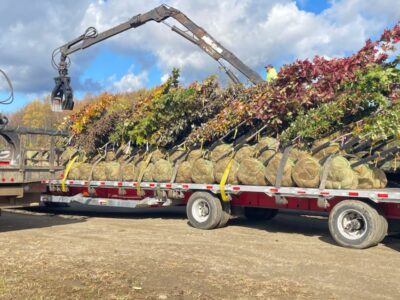
1,650 trees distributed for NY’s 25 Million Trees initiative
Trump administration illegally scrapped protections for abused immigrant youth, judge finds
A federal judge ordered the Trump administration on Wednesday to resume reviewing protection requests from young ...